Course Design
The Kirkpatrick Model, Explained Without the Jargon
October 20, 2026
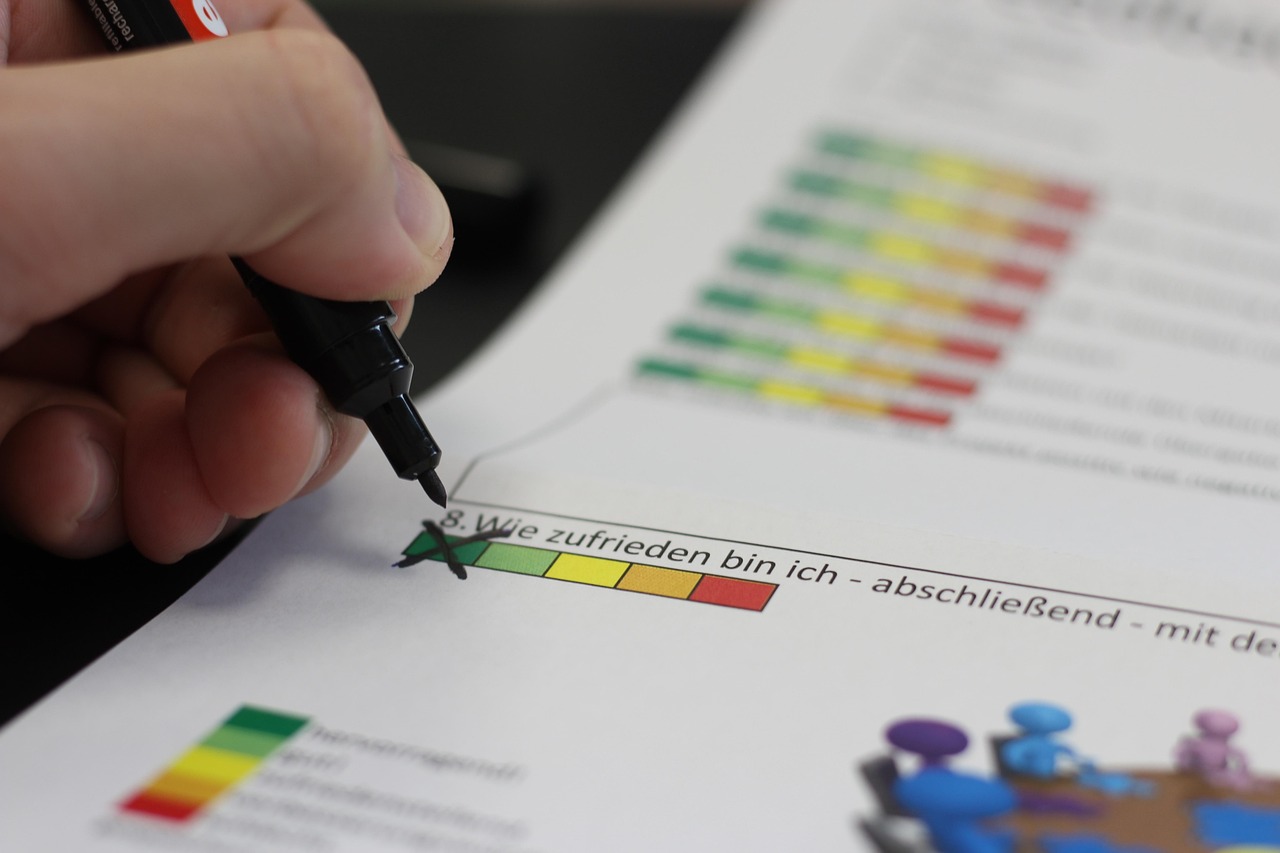
The Kirkpatrick model is the default framework for evaluating training, and it's genuinely useful. It's also routinely misapplied — usually by organisations that measure level one thoroughly, ignore levels two to four, and conclude that training works because people enjoyed it.
Level 1 — Reaction
The question: did participants find it useful and relevant?
Measured by post-course surveys, the 'happy sheet'. Cheap, immediate, and weakly correlated with actual learning — people reliably rate engaging sessions highly whether or not they learned anything.
Worth collecting, worth acting on when it's bad, and worth being sceptical about when it's good.
Level 2 — Learning
The question: did knowledge, skill or confidence actually change?
Measured by assessment — ideally before and after, because a post-test alone can't distinguish what people learned from what they already knew.
This is the level most organisations could improve cheaply and don't. A short pre-test costs almost nothing and transforms what your post-test tells you.
Level 3 — Behaviour
The question: are people doing the thing differently at work?
Measured weeks or months later, through manager observation, work samples, system data, or follow-up survey. This is where training either pays off or doesn't.
It's also where most evaluation stops, because it requires access to people after the course ends and cooperation from managers. If you can only add one level to your practice, add this one.
Level 4 — Results
The question: did the organisational outcome improve?
Incidents down, errors reduced, sales up, complaints fewer, turnover lower. The level executives care about, and the hardest to attribute — because everything else in the business changed too.
Be honest about attribution. Training that coincides with an improvement is not proven to have caused it, and claiming otherwise damages your credibility the first time someone examines it.
Using it without a research budget
You don't need all four levels for every course. A practical default:
- Every course: level 1, brief. Three questions, not fifteen.
- Anything with an assessment: level 2, with a pre-test where practical.
- Anything mandatory, high-risk, or expensive: level 3, at 60–90 days.
- Anything commissioned to solve a business problem: level 4, agreed with the sponsor before the training, with the measure defined upfront.
The upfront conversation that matters
Agree the measure before you build. If a sponsor wants training to reduce incidents, establish the current rate and the target now — retrofitting a baseline after the fact is impossible, and 'we think it helped' is what you'll be left with.
What the model doesn't tell you
Kirkpatrick evaluates whether training worked. It doesn't tell you whether training was the right intervention. A great many performance problems are caused by unclear expectations, bad tools, or broken process — and training a workforce to work around a broken process produces excellent level 2 results and no level 4 improvement at all.